A security guard at the gate can check visitors, maintain a register, and keep an eye on who enters the premises. But what if someone tries to force their way inside? Or a business owner starts receiving threats? These are not situations where basic guarding alone may be enough.
For places and people facing such risks, an arms security guard can provide an additional level of protection. The job involves much more than carrying a weapon. A guard must understand the surroundings, notice anything unusual, and know what to do when a situation gets out of hand.
Some Places Need a Different Level of Protection
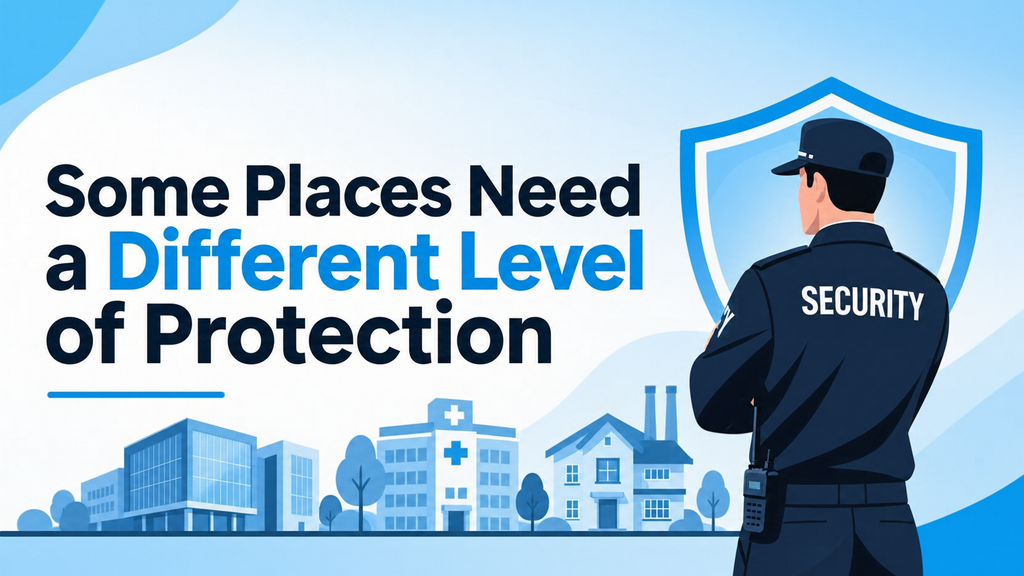
A small office and a warehouse storing expensive equipment do not have the same security needs. Similarly, protecting a business executive during travel is very different from monitoring an office entrance.
Armed protection may be considered in situations such as:
- Banks and Financial Centres: Cash handling and the presence of valuable assets can call for additional security.
- Industrial Units: Factories and warehouses may need protection against theft, unauthorised entry and other security concerns.
- Corporate Establishments: Senior executives or business owners facing specific threats may require personal protection.
- VIP Events: Public appearances often involve large crowds, making proper security arrangements important.
- High-Value Properties: Certain private establishments may need armed personnel based on their security assessment.
Of course, armed guards are not necessary everywhere. The decision should come after understanding the actual risks.
What Makes an Arms Security Guard Effective?
Imagine a guard noticing someone repeatedly trying to enter a restricted area. Ignoring it could create trouble. Reporting it at the right time may prevent a bigger issue.
This is why an armed guard needs proper training and a good understanding of the job.
Some of the duties include:
- Watching the Surroundings: Paying attention to unfamiliar faces, suspicious movements and unusual activity.
- Managing Visitors: Checking credentials and making sure restricted areas remain accessible only to authorised people.
- Handling Emergencies: Following safety procedures and contacting the relevant authorities when needed.
- Staying Connected: Keeping supervisors and other team members informed about anything that needs attention.
- Following Firearm Safety Rules: Handling weapons responsibly and complying with all applicable regulations.
A trained Arms Security Guard should know when to act, when to report an issue and how to avoid unnecessary confrontation.
VIP Protection Involves More Than Following Someone Around
Suppose a business executive has three meetings scheduled at different locations in one day. The security team needs to know where the person is going, how they will reach each place and what arrangements are available at the venues.
This is where VIP security services become useful.
Depending on the assignment, the team may:
- Check the locations before the scheduled visits.
- Plan suitable arrival and departure routes.
- Coordinate with drivers and event organisers.
- Keep track of crowd movement.
- Stay prepared if the schedule changes unexpectedly.
These arrangements may seem like small details, but they help the security team do its job properly.
Before You Hire Security Guards, Look Beyond Availability
Finding an agency that can send guards quickly is easy. Finding one that provides suitable, trained personnel requires a little more attention.
Before you hire security guards, check:
- Legal Compliance: Verify the agency’s licence and the required authorisations for armed deployment.
- Training: Ask about firearm safety, emergency response and practical training.
- Background Checks: Confirm that identity and background verification have been completed.
- Relevant Experience: Check whether the agency has handled similar assignments.
- Regular Supervision: Find out who monitors the guards and handles reporting.
A professional security service should be able to explain how its personnel will manage the assignment, not just how many guards it can provide.
Getting the Security Arrangement Right
Every property has its own concerns. A business may worry about unauthorized access, while an individual may need protection during regular travel. Understanding these differences makes it easier to choose the right security team.
Quickman Security provides security personnel for corporate, industrial, residential, and other establishments. If you are considering additional protection for your property or business, contact Quickman Security to discuss your requirements.
FAQs
1. Can armed guards be assigned to protect goods during transportation?
Yes. Arms Security Guard personnel may be deployed to accompany valuable goods during transportation when the assignment requires it and all necessary legal conditions are met.
2. Can a company arrange armed protection for only a few days?
Yes. Armed security guard services can be arranged for temporary requirements, including specific events or short-term assignments, depending on availability and legal requirements.
3. Should an Arms Security Guard also know basic first aid?
First-aid knowledge is useful in security work. It helps guards provide initial assistance while waiting for medical professionals during an emergency. Businesses looking for VIP security services should also check the team’s emergency preparedness.
4. Who decides how many armed guards a property needs?
The number depends on the property’s size, layout, working hours and assessed security risks. A reliable professional security service can conduct a site assessment and help determine the requirement.