
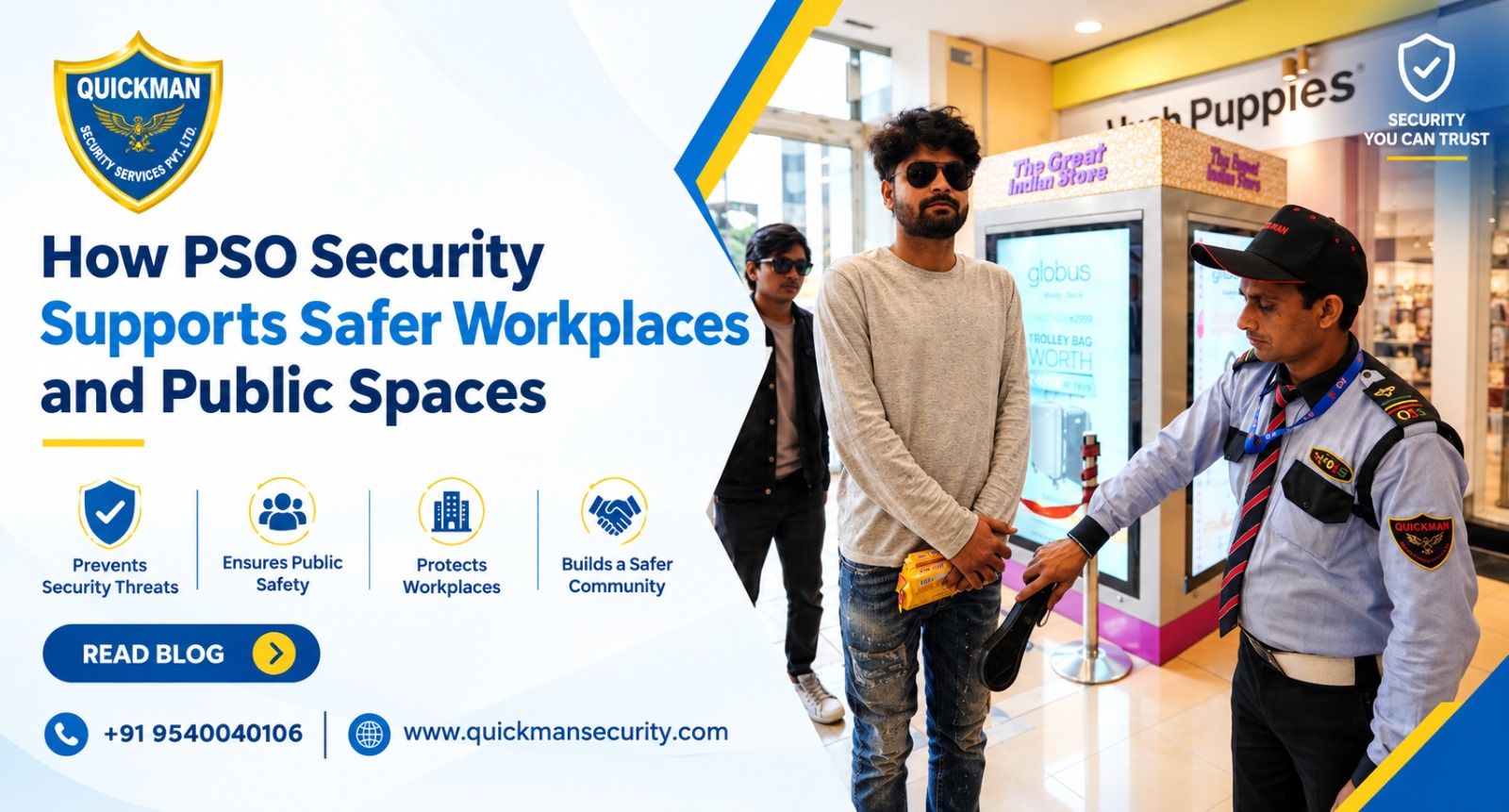
Security is one of those things people notice most when it is missing. A crowded entrance becomes difficult to manage, an unfamiliar person enters a restricted area, or an important individual feels uncomfortable while travelling. Suddenly, questions about safety are no longer “what ifs.” This is where PSO Security can make a real difference.
A personal security officer is not there simply to look alert and stand around. The role requires observation, quick thinking, discipline, and the ability to handle situations without causing unnecessary panic. In the right setting, that presence can make employees, visitors, and protected individuals feel considerably more secure.
Safety Is Not a Last-Minute Decision
Good security does not begin after an incident. It begins with understanding what could happen in the first place.
That is why risk assessment matters. Before assigning security personnel, professionals can look at the location, daily routines, access points and possible vulnerabilities.
A useful assessment may consider:
· Who regularly enters and leaves the premises?
· Which areas need closer attention?
· Are there particular times when risks increase?
· Does the protected person follow a fixed routine?
· What should happen if an unusual situation develops?
These answers help create a security plan that actually fits the environment instead of relying on a generic checklist.
The Human Factor Still Has Its Place
Security technology has come a long way. CCTV cameras, alarms, and access-control systems can provide valuable support. But there are moments when someone needs to look beyond a screen and understand what is happening.
That is where a trained PSO brings something different.
An officer can notice unusual behavior, communicate with people nearby, and respond according to the situation. They can also adapt when plans change, something that becomes particularly important when protecting executives, public figures, or individuals who regularly move through busy locations. Technology can support protection. People make decisions.
When Security Needs to Work Together
Imagine a workplace where the PSO knows one thing, the reception team knows another, and the guards have received completely different instructions. Even with good personnel, confusion can quickly become a problem.
Strong security management keeps everyone on the same page.
This may involve:
· Clear duties for every security professional
· Reliable communication between team members
· Defined emergency procedures
· Regular checks of existing arrangements
· Reviewing incidents and improving procedures
The idea is simple: when people know what to do, they waste less time figuring it out when something unexpected happens.
Why Outsourcing Can Take the Pressure Off
Running an in-house security team sounds straightforward until the practical work begins. Recruitment, training, attendance, replacements, supervision, and performance monitoring all need attention.
For many organizations, outsourcing services can make this easier. A professional security provider can manage trained personnel while the company concentrates on its own work.
But outsourcing should never mean choosing a standard service and forgetting about it. Security requirements vary from one organization to another, so the provider should first understand the client’s situation and expectations.
One Security Plan Cannot Fit Every Situation
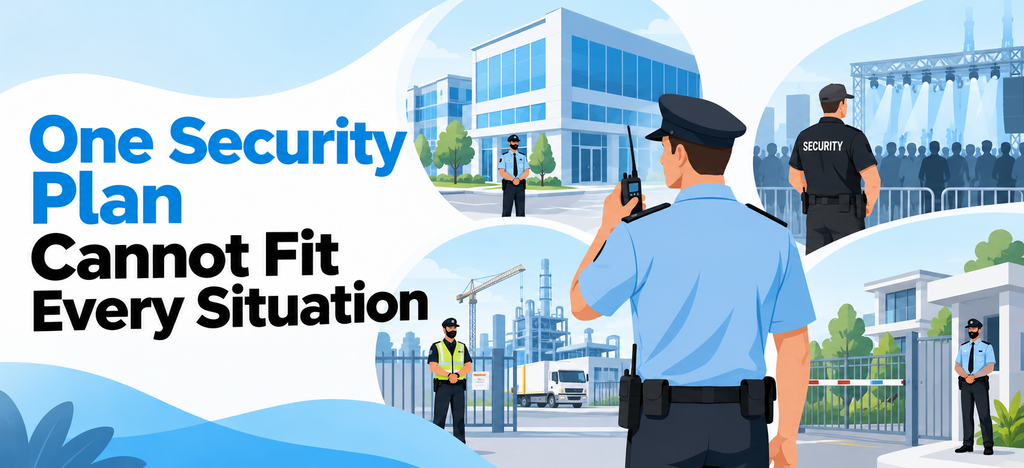
A corporate office has different concerns from a public event. An executive travelling between locations needs a different approach from a property that mainly requires access control. That is why effective security solutions should be built around the actual requirement.
Before choosing a service, organizations should think about:
- Location: What risks exist in and around the premises?
- People: Who requires protection or monitoring?
- Timing: When is security coverage needed?
- Existing measures: What is already working, and where are the gaps?
- Response: How should personnel react during an emergency?
Getting these details right can make the difference between security that simply looks present and security that is genuinely useful.
Hiring Security? Look Past the Uniform
A security guard hire is not just about finding someone available for a shift. The person needs the right combination of training, alertness, communication, and professionalism.
For PSO assignments, this becomes even more important. A personal security officer may spend long hours around the person they are protecting. They need to remain attentive without becoming intrusive and stay calm when circumstances become difficult. The right professional should add confidence to a situation, not tension.
The Best Security Often Goes Unnoticed
Nobody wants their workplace or daily routine to feel like a fortress. Good security should provide protection while allowing normal life to continue.
That is the real value of PSO Security. With trained personnel, thoughtful risk assessment, and organized security management, businesses and individuals can prepare for potential problems without allowing security concerns to dominate everyday activities.
Ready for a Smarter Security Approach?
At Quickman Security, we believe effective protection starts with understanding the situation, not simply placing a guard at a location. Our team provides professional security solutions based on practical security requirements, helping workplaces, individuals, and public spaces stay better prepared.
Need personal protection or dependable security support? Connect with Quickman Security and find a security approach that fits your needs.


