Every organization deals with sensitive data, valuable assets, and spaces that outsiders should not enter without permission. When access management is weak, businesses often face data leaks, theft, and safety incidents that hurt both trust and finances. Access control systems give companies across Delhi NCR the ability to decide exactly who can enter a space, at what time, and under what conditions. Here we look at why access management matters so much today and how it helps organizations stay secure.
Key Security Risks Caused by Poor Access Control Practices
- Unauthorized Entry – If access control isn’t taken seriously, random people can walk into places they simply shouldn’t be.
- Data Breaches – Loose access management practices often mean staff can view files or records that have nothing to do with their role.
- Insider Threats – Not every threat comes from outside. Employees holding more access than needed sometimes misuse it, and this often goes unnoticed for months.
- Asset Theft – Entry points that aren’t tracked properly make it easy for equipment or stock to go missing without anyone noticing right away.
- Compliance Gaps – A fair number of companies in Delhi NCR have run into regulatory issues simply because their data protection practices weren’t up to standard.
How Access Management Improves Data Security Across Organizations
- Identity Verification – A strong access management process confirms who a person actually is before letting them in, which cuts down on impersonation attempts.
- Role-Based Access – Employees only get access to the areas and information tied to their specific job, so exposure stays limited.
- Real-Time Monitoring – Access control systems keep track of who is entering and exiting as it happens, so security teams can act quickly if something looks off.
- Audit Trails – Every entry attempt gets recorded, which makes it far easier to investigate an incident later and hold people accountable.
- Reduced Human Error – Automated systems take away much of the guesswork that comes with manual security checks.
The Role of Access Management in Strengthening Operational Control
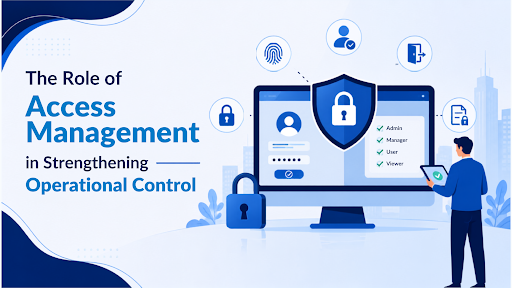
- Centralized Management – Companies can oversee several entry points from one single dashboard, which saves both time and manpower.
- Visitor Tracking – A good access management setup logs visitor information, adding an extra layer of safety for both employees and guests.
- Zone Restrictions – Areas such as server rooms or research labs can be locked down for authorized staff only, using proper access control.
- Remote Access – Security personnel in Delhi NCR can approve or cancel access permissions from anywhere, without needing to be physically on site.
- Emergency Response – In case of an emergency, access systems make it possible to lock down a facility or manage an evacuation in a controlled way.
Frequently Asked Questions
1. What is the difference between access control and access management?
Access control is the physical or digital tool used to restrict entry — think biometric access control or keycard-based systems. Access management, on the other hand, is the larger process of setting rules, tracking usage, and keeping those tools running properly over time.
2. Is biometric access control suitable for all types of businesses?
Generally, yes. Biometric access control works well across corporate offices, hospitals, schools, and government bodies since it verifies identity accurately and lowers the chance of someone entering without authorization.
3. How does access management support electronic surveillance?
Access management works hand in hand with electronic surveillance, connecting entry logs with camera footage. Together, this gives security teams a clearer picture during investigations and adds real value to complete security services.
Essential Components of an Effective Access Management System
- Access Cards – Give employees a straightforward, secure way to move through authorized areas.
- Biometric Scanners – Rely on fingerprints or facial recognition for a stronger layer of biometric access control.
- Surveillance Integration – Ties access control systems together with electronic surveillance for a fuller view of what’s happening on-site.
- Risk Assessment – A routine security risk assessment helps catch weak points before they turn into real problems.
Industries That Benefit Most from Modern Access Management Solutions
- Corporate Offices – Keep business data confidential while controlling how employees move between departments.
- Manufacturing Units – Limit access to machinery and production floors, reducing both accidents and theft.
- Residential Societies – Give residents better peace of mind through visitor verification and gate control.
- Hotels – Manage which guests and staff can access rooms and back-of-house areas.
- Shopping Malls – Keep an eye on busy public areas while securing staff-only or storage zones.
- Warehouses & Logistics Companies – Track how inventory moves and prevent unauthorized entry into storage areas.
Businesses operating across Delhi NCR need a security partner who genuinely understands these risks and knows how to address them. Quickman Security provides professional security services in Delhi NCR, bringing together access management, access control systems, biometric access control, electronic surveillance, and security risk assessment under one roof. From corporate offices to large warehouses, Quickman Security delivers complete security services built to protect people, data, and assets across every kind of setup in Delhi NCR.